Northern Ireland · County Londonderry
Aughlish Stone Circles
Probably c. 2500–1500 BC · Stone-circle and alignment complexAt least five low stone circles and five alignments occupy a quiet slope below the northern Sperrins.
→The catalogue
Browse confirmed ancient monuments alongside clearly labelled related, reconstructed and modern circles.
Northern Ireland · County Londonderry
At least five low stone circles and five alignments occupy a quiet slope below the northern Sperrins.
→Northern Ireland · County Londonderry
Two stone circles survive among tombs, cairns and ancient field walls in a partly peat-covered mountain landscape.
→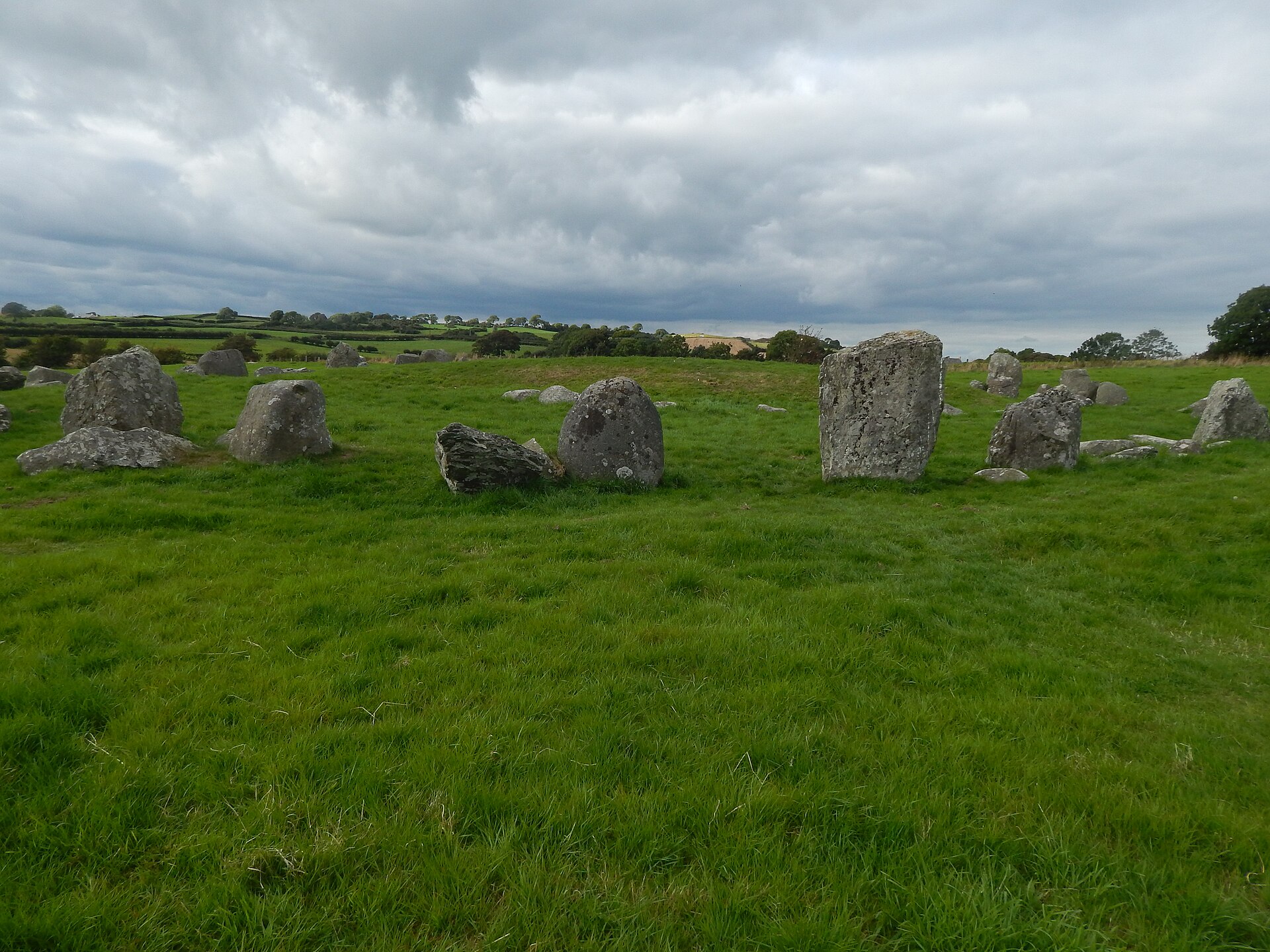
A broad ring of more than fifty stones reached along an atmospheric tree-lined path.
→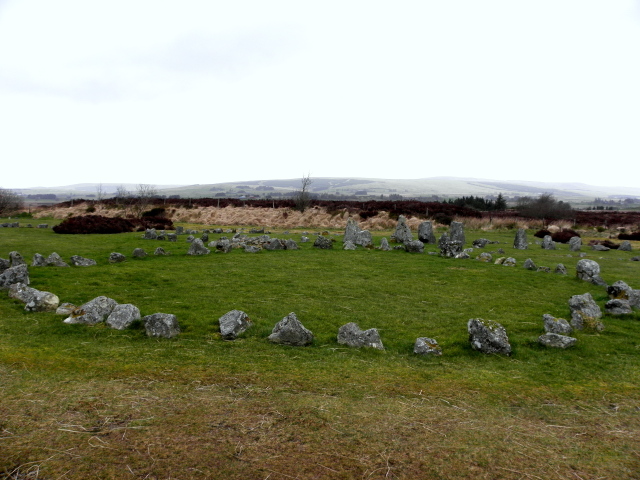
A remarkable complex of low stone circles, rows and cairns revealed beneath peat in the Sperrin foothills.
→Northern Ireland · County Tyrone
An extraordinary upland complex of at least nine small stone circles, alignments and cairns emerging from the Tyrone peat.
→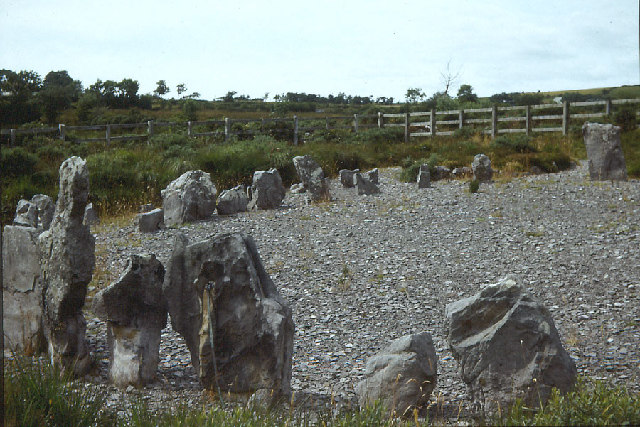
A compact circle accompanied by a stone row and cairn in the Fermanagh countryside.
→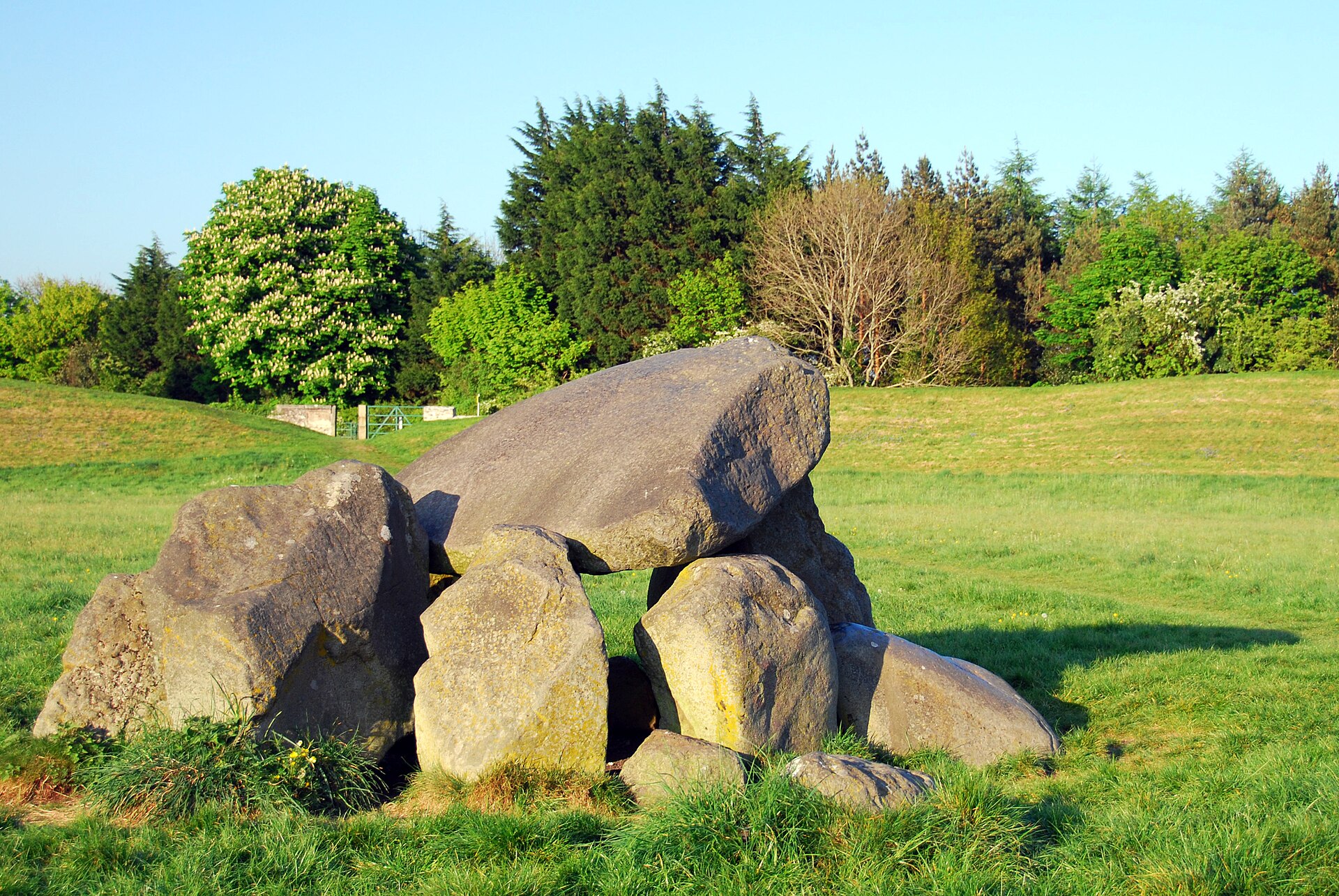
A vast Neolithic earthwork encloses a central stone-built tomb on the southern edge of Belfast.
→Northern Ireland · County Fermanagh
The recorded site of a Fermanagh stone circle whose buried settings and seven Bronze Age burials were recovered during rescue excavation in 1975.
→Northern Ireland · County Fermanagh
A low limestone ring and two tangential rows survive almost hidden in the bog south of Lower Lough Erne.
→