History & archaeology
A place made over generations
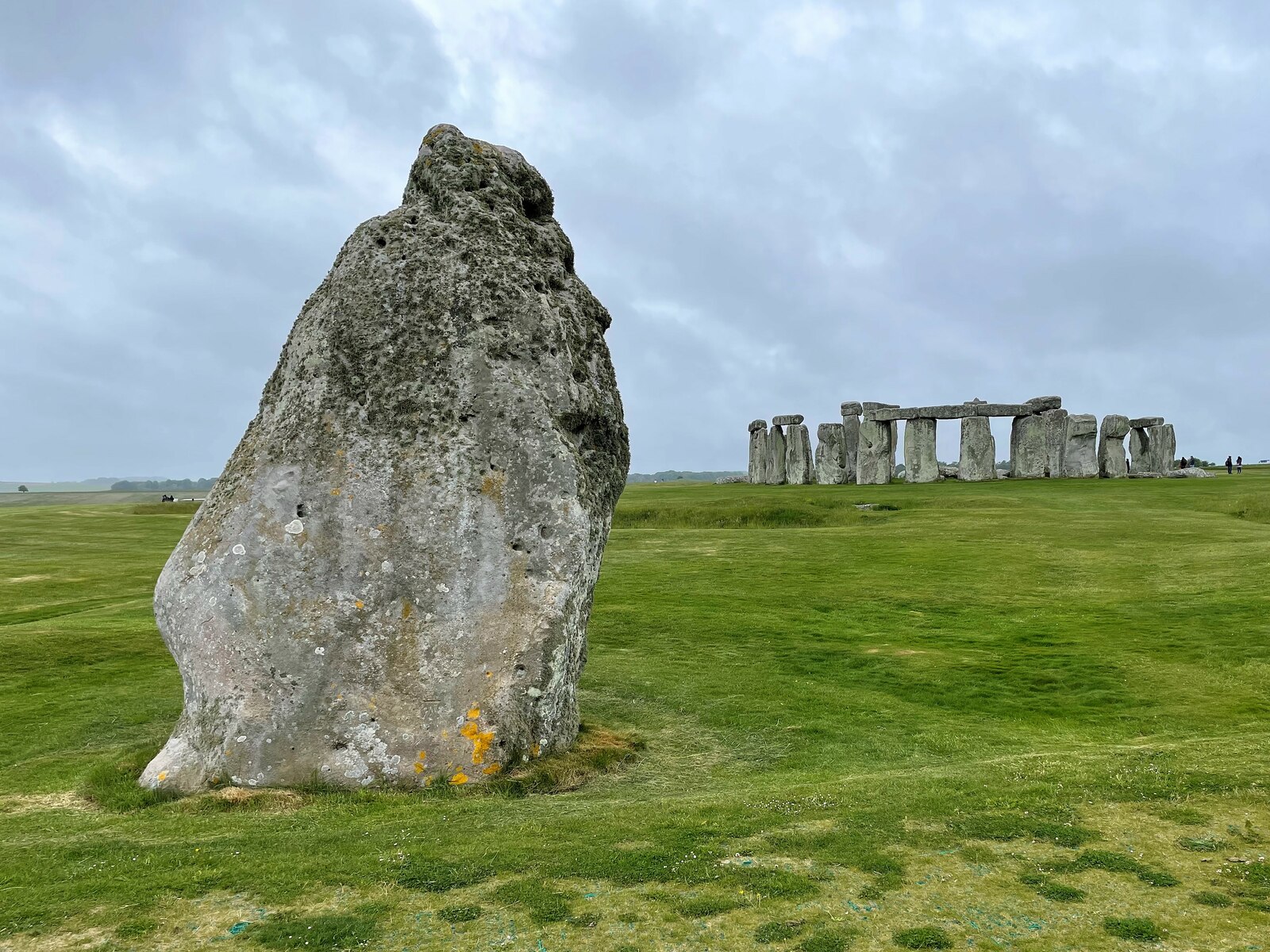
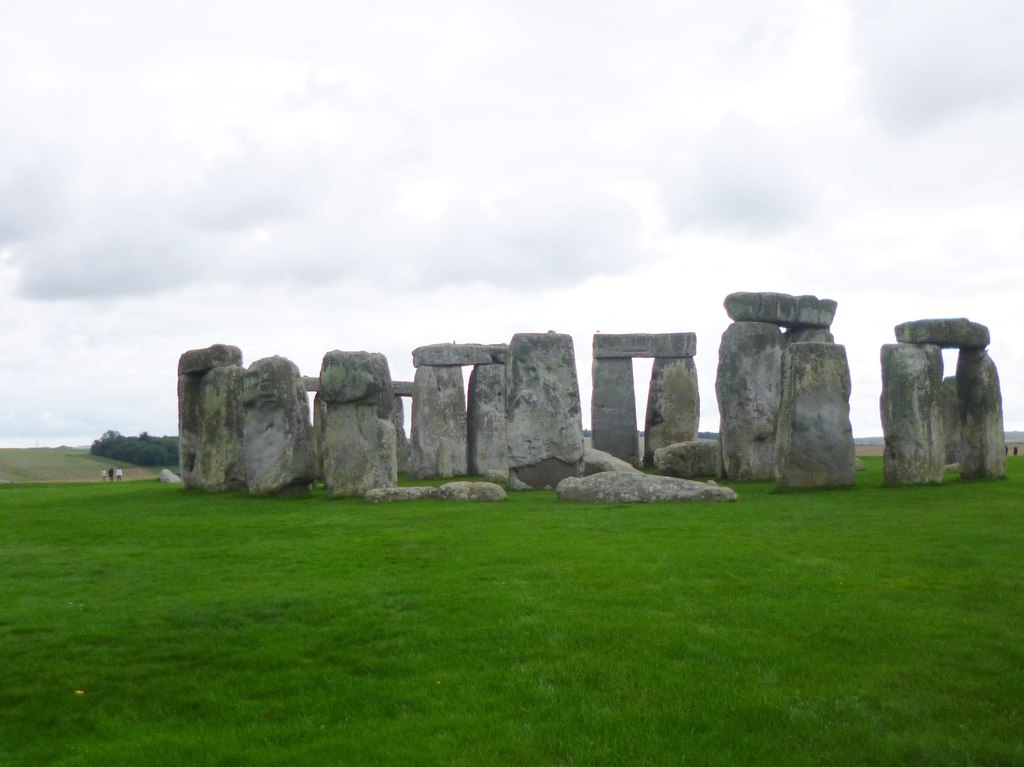
Stonehenge developed over many generations. An early circular earthwork was followed by timber settings, cremation burials and, eventually, the great sarsen and bluestone arrangements visible today.
Excavation and landscape survey show that the monument belonged to a much larger complex of barrows, avenues and gathering places. Its stones came from both the Marlborough Downs and west Wales.
Stories, beliefs & mysteries
Meaning through time
Its midwinter and midsummer alignments are deliberate. Their meaning remains debated, with interpretations involving ancestors, seasonal gatherings, healing and journeys through a sacred landscape.
Later stories credited Merlin with transporting the stones from Ireland. Modern Druids, Pagans and unaffiliated visitors gather here at the solstices.
Plan a visit
Walk gently into the landscape
Managed visitor access with a visitor centre, parking and shuttle. Ordinary visits remain outside the stone circle.
Do not climb, move stones, light fires or leave offerings. Follow current access signs and take everything home.
Sources & further reading
Follow the evidence
English HeritageStonehenge history and significance↗This introductory record was last reviewed in August 2026. Access details can change; consult the site manager before travelling.
The marker shows the monument, not a parking space. A postcode is only a navigation aid; check current access and parking information before travelling.