History & archaeology
A place made over generations
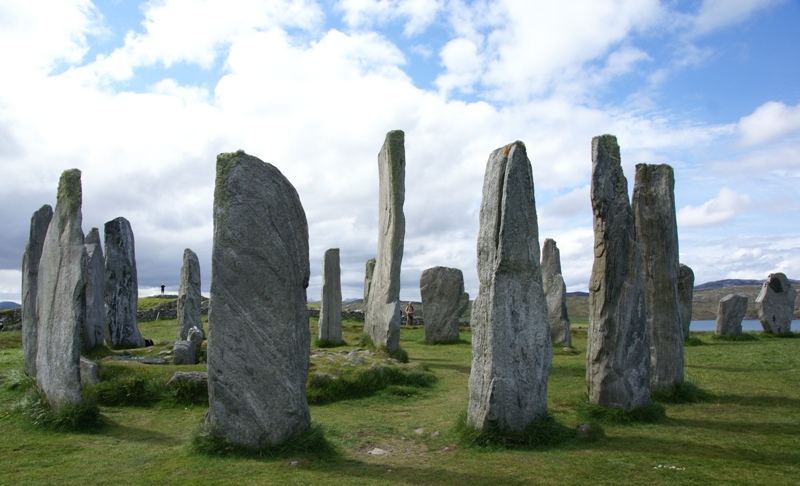
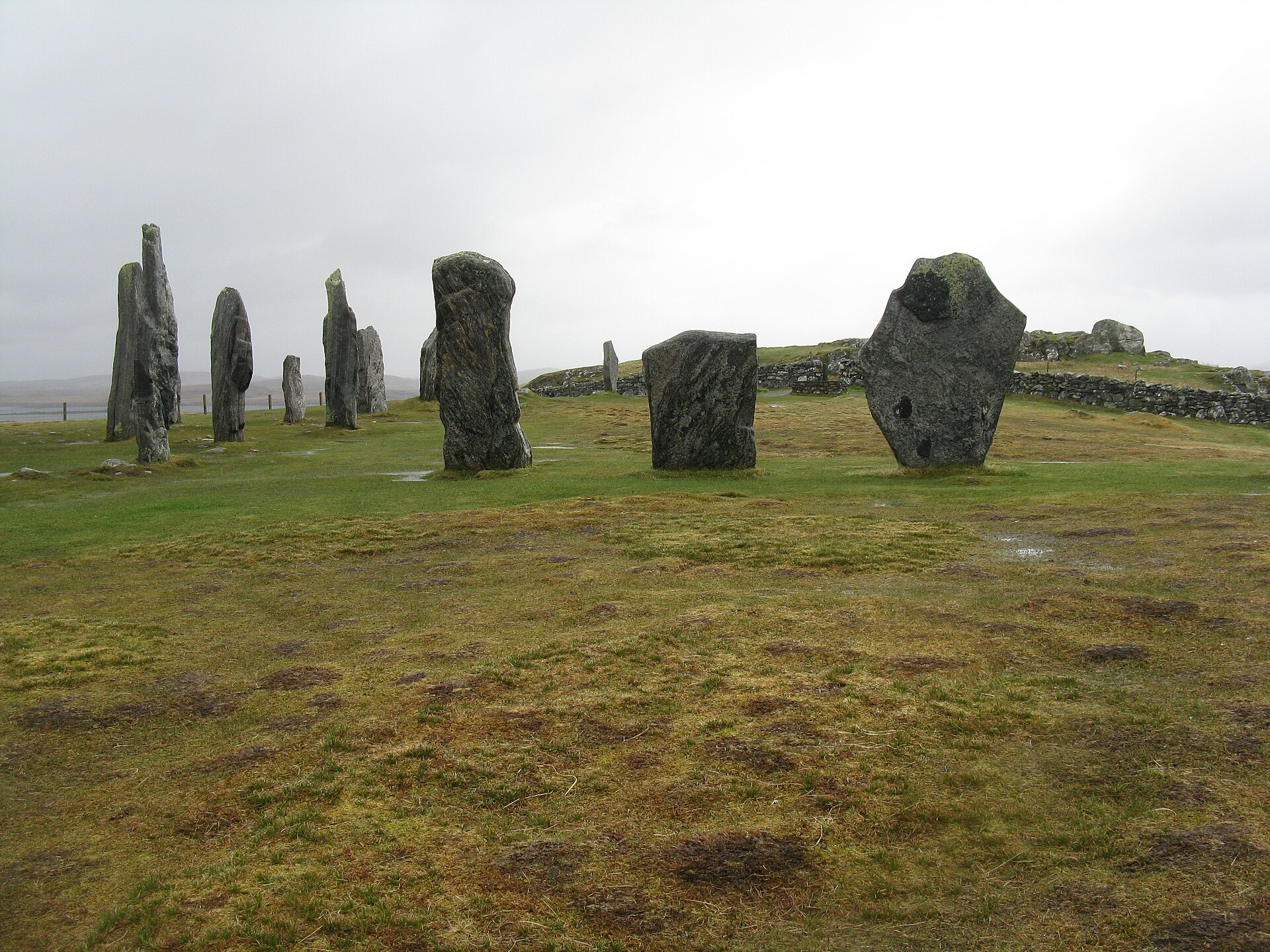
The main complex was created in the late Neolithic and remained significant into the Bronze Age. Peat later accumulated around the stones.
The site combines a central monolith, ring, rows and a later chambered tomb. Excavation reveals a long sequence.
Stories, beliefs & mysteries
Meaning through time
Lunar alignment theories are influential but debated. Procession, gathering and connections between sky and landscape remain important themes.
Island folklore speaks of giants who refused Christianity and were turned to stone.
Plan a visit
Walk gently into the landscape
Public access from the visitor-centre area. Paths include uneven surfaces and weather can change rapidly.
Do not climb, move stones, light fires or leave offerings. Follow current access signs and take everything home.
Sources & further reading
Follow the evidence
Historic Environment ScotlandCalanais Standing Stones↗This introductory record was last reviewed in August 2026. Access details can change; consult the site manager before travelling.
The marker shows the monument, not a parking space. A postcode is only a navigation aid; check current access and parking information before travelling.